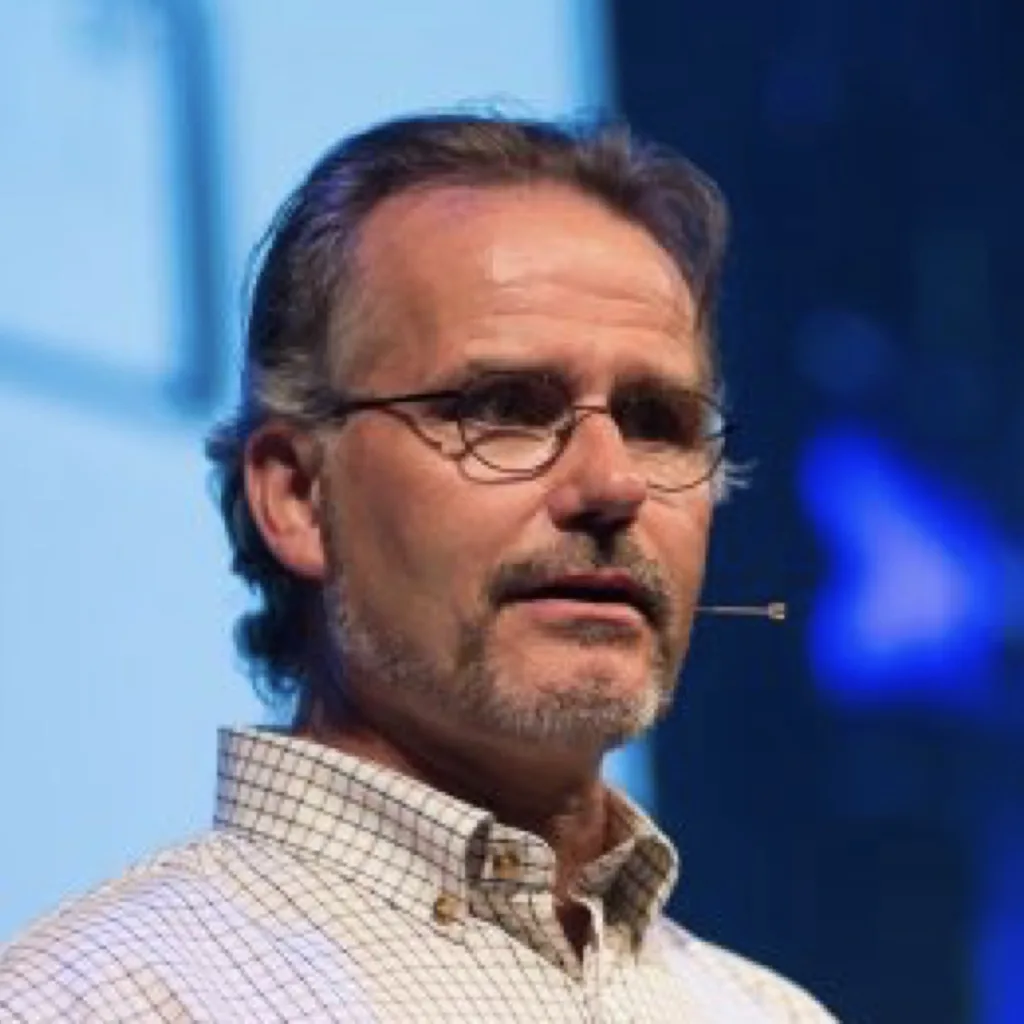
Speaker | Researcher | Edge explorer
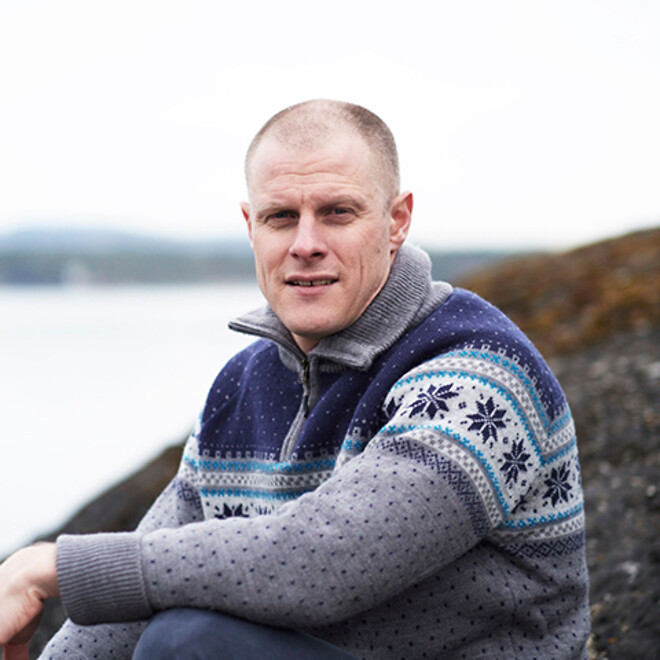
Daniel Sunde-Hansen does experimental research at the edges of transforming society. As Director of Deloitte Center for the Edge, he explores how emerging shifts such as quantum, biotech, AI and AR create new opportunities for organizations and society. As a Ph.D. candidate in Leadership & Organization at BI Norwegian Business School, he researches the edges of leadership and strategy. He has spent the last decade leading innovation in large organizations, applying his Master's degree in innovation leadership in Complexity Science and Behavioral Economics. He writes, speaks and spars with leaders on working smarter, unlocking creativity and building a more human future, and shares field notes in his newsletter "Living the Edge", with his 26,000+ followers on LinkedIn. He works with a team of AI assistants, as team-building, they make realtime music together.
While you sleep, Daniel's team of AI agents—Pioneer, Guardian, and Integrator—work the night shift. Wake to review their completed work. Daniel researches this frontier by doing, leading agentic teams and building the curriculum through practice. This topic explores how to harness productive friction instead of falling into the sycophant cloud, how to shape the tools shaping you, and how to build AI-enabled creativity that accelerates innovation rather than just efficiency.
Living with AI
Are you ready to lead courageously in a world of rapid disruption? In this episode of i loopen, we sit down at Oslo Business Forum with Terence Mauri, acclaimed disruption speaker and MIT Entrepreneur Mentor; and Daniel Sunde-Hansen, Director of Deloitte's Center for the Edge in the Nordics. Together they unpack what it means to be a Techno sapiens and how leaders can build the "future-ready muscle" to thrive amid uncertainty. This video podcast offers insights on leading with courage, embracing risk, and building innovation-focused cultures.
The future is marked by accelerating shifts in AI and robotics, fundamentally changing how we work and create value.
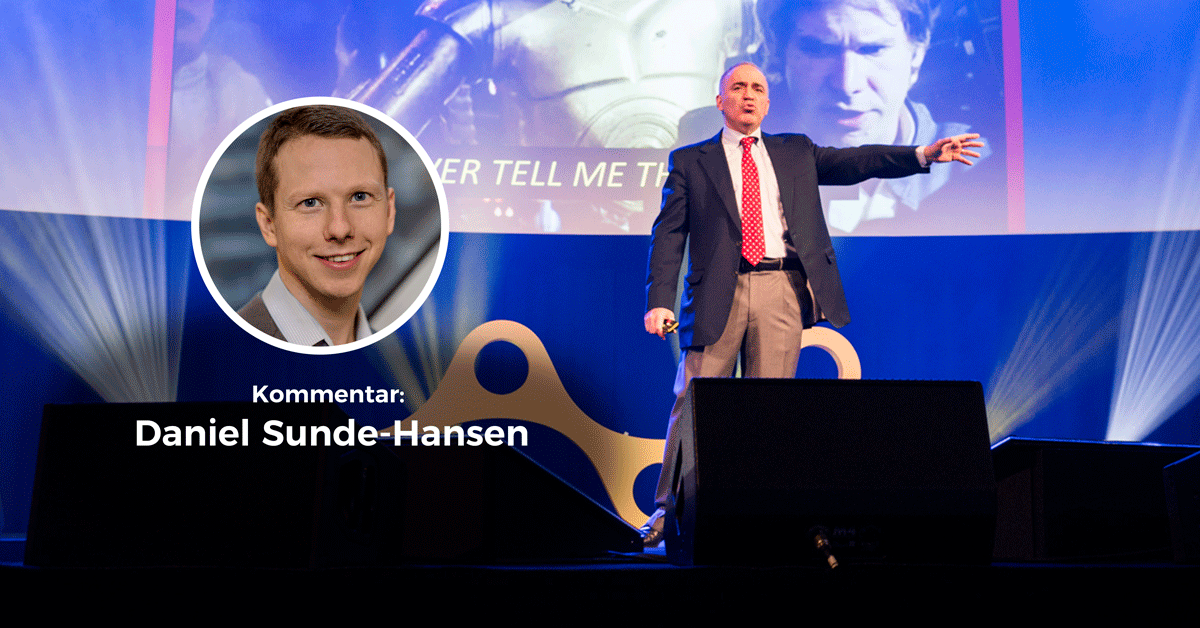
📺 Keynote on Fremtidens arbeidsliv (Future of Work in Norwegian).
Technologies as blockchain and NFTs democratizes access to both art and finance, and opens up new connections between the edges of art and business.
Explore Daniels small metaverse experiment with digital art / NFTs
With a constantly pressured healthcare system, there is a need for innovation.
To address today's healthcare challenges and ensure capacity for all future health issues, we must open up to new possibilities, and the retail industry can play an important role. Never before have so many been so interested in investing in their own health and future.
Societal challenges are addressed by institutions with boundaries of scope. But challenges as health require complex systems approach, across traditional boundaries.
War in Europe and increasing polarization require a shift in how we view societal security, from a defense sector to a whole-of-society.
"Daniel Sunde-Hansen shared exciting perspectives on AI and how we can fully utilize the technology in the presentation 'Living with AI'"
"Daniel's excellent opening keynote created great enthusiasm and food for thought!"
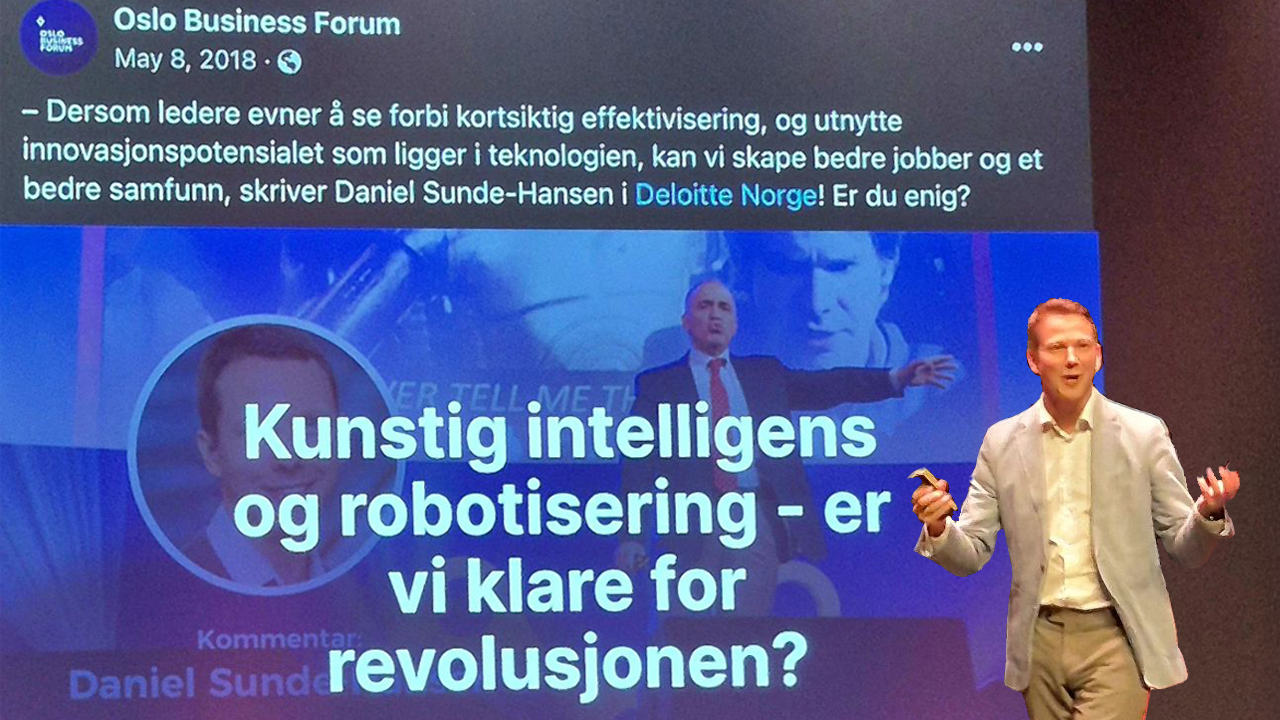
In 2018, I wrote a perspective for Oslo Business Forum: "Artificial Intelligence and Robotization – Are we ready for the revolution?" The prediction seemed dramatic then, but I should've gone much further. By 2025, blind studies show many prefer AI over humans for empathic conversations and even art. This reflection revisits the original 7-year-old perspective and invites readers to share thoughts on how it aged.
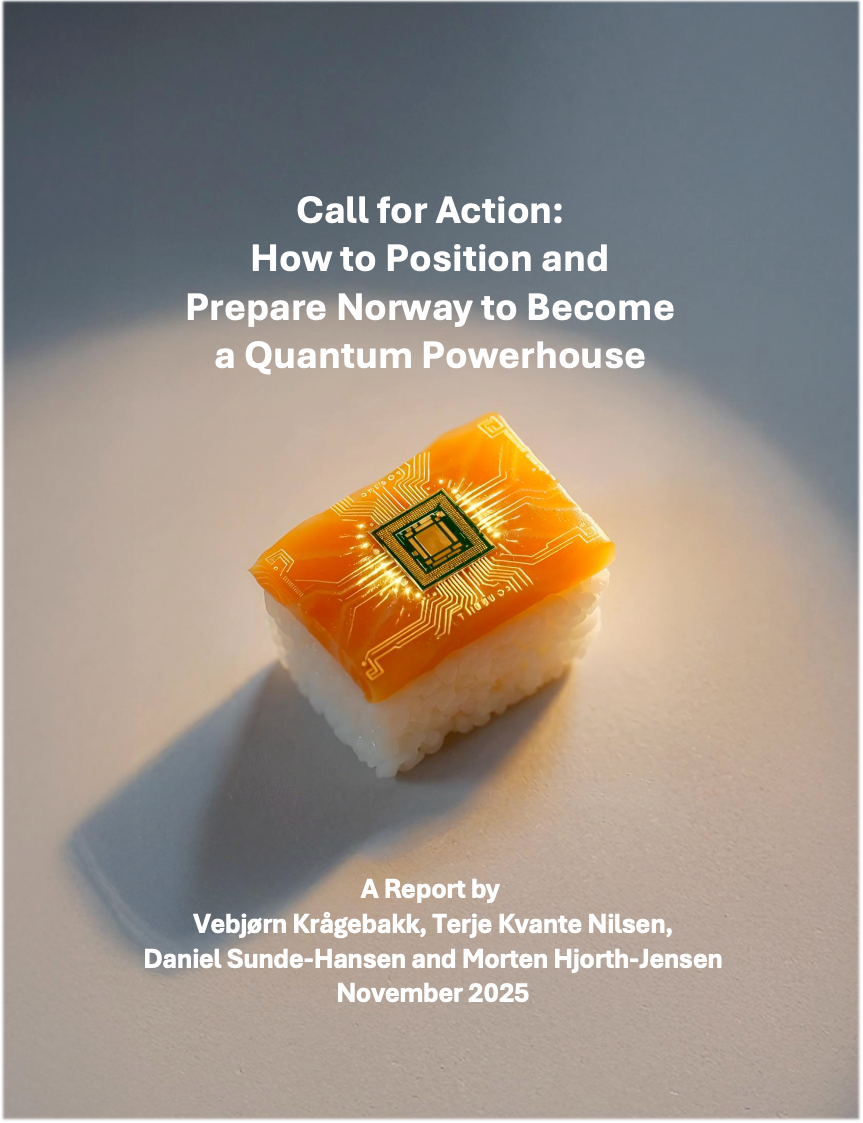
This report explores Norway's position in the rapidly evolving quantum technology landscape, examining opportunities and risks. It emphasizes strategic choices, collaboration, and national differentiation over sovereignty for its own sake. The analysis argues that Norway's ability to differentiate and make deliberate tradeoffs will be more important than pursuing complete national control. By focusing on innovation, building value chains, and fostering collaboration, Norway can position itself as a valuable partner in the quantum era. The report includes PESTEL, VRIO, and SWOT analyses, concluding with strategic recommendations for action.
If you look back on the past decade, what took you by surprise? We interviewed ten leaders who have worked with the Center for the Edge Europe over the past ten years, inviting them to share significant moments of insight. Their reflections are organized into three sections: The Call to Explore, Shift Explorers, and Leading by Narrative. Over the past decade, the Center has influenced the transformation of several large organisations by combining original research with action.
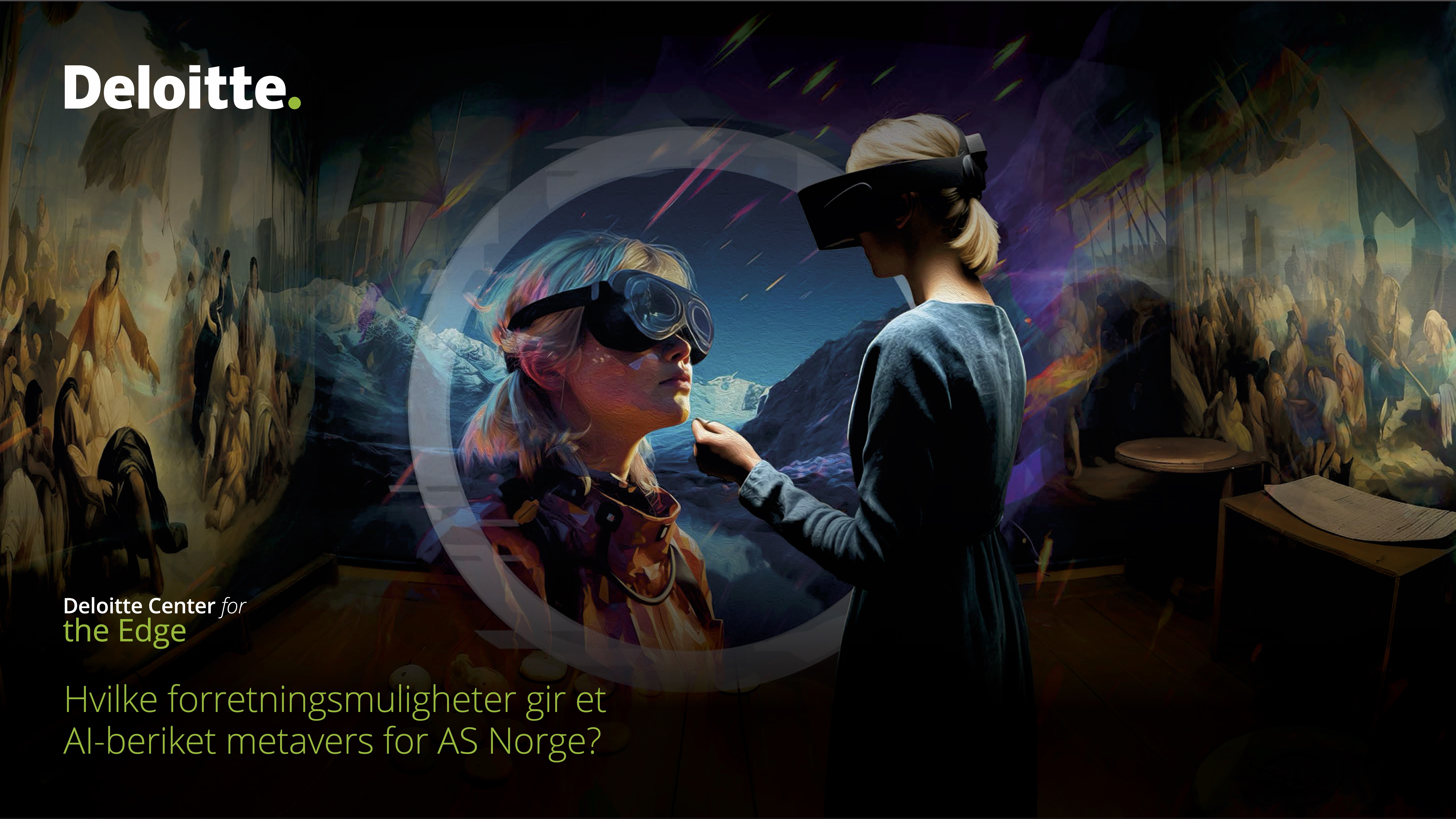
What is the risk of not participating in shaping the rules for generative AI and the metaverse? Missing out on major opportunities. The metaverse could increase Norway's GDP by around 100 billion kroner by 2035, and we can help shape development in a constructive direction. But both business and the public sector must lean in much further. The greatest opportunity to shape the metaverse exists now.
Startups threaten established companies, and increasingly more leaders see the need to make their own organization more innovative. Exploring new technologies can seem like a logical first step. A mission to innovate involves uncertainty and pressure, and new technology offers hope for insight and inspiration.
Leaders who don't meet the challenges that come with new technologies can end up paying a much higher price than the seminar fees at Singularity University. While the marketing is inflated and expensive, the think tank can inspire revolutionary innovation and add value to organizations. However, organizations must find frameworks for action and concrete solutions elsewhere.
Reach out